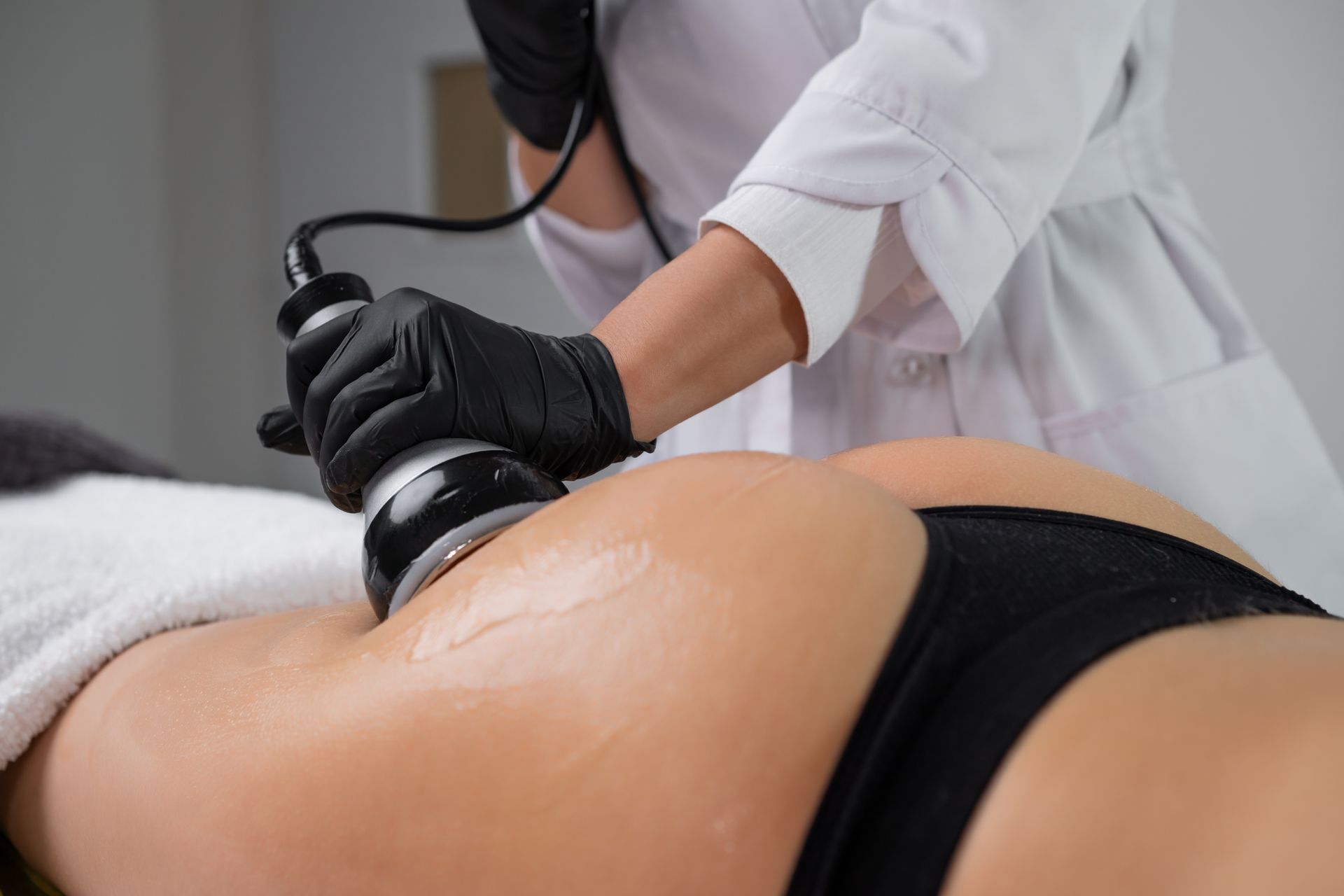
Laser Lipolysis vs. Lipo Cavitation: Which Is Right for You?
For many people in Mobile, Alabama, body contouring is not just about aesthetics—it’s about feeling comfortable and confident in your own skin. Midtown Medical hears from countless individuals who want real fat reduction but are wary about undergoing surgery or committing to lengthy recovery periods. Two standout non-surgical options that often spark questions are laser lipolysis and lipo cavitation. While both methods promise smoother contours and less unwanted fat, their approaches, candidacy, and results vary significantly.
Choosing the right body contouring treatment is important not just for cosmetic satisfaction, but for your safety and long-term health. In this article, Midtown Medical’s expert team shares an honest look at how these two methods compare, what outcomes you should expect, and what factors matter most when deciding on your ideal approach.
What We Cover:
1. How Laser Lipolysis Works and Who Benefits Most
2. Understanding Lipo Cavitation and Its Unique Strengths
3. Key Differences: Results, Comfort, and Downtime
4. A Balanced Approach: How to Decide What Fits Your Goals
5. Frequently Asked Questions
How Laser Lipolysis Works and Who Benefits Most
Laser lipolysis uses controlled laser energy to target and heat fat cells below the skin’s surface. This energy breaks down fat cell membranes, allowing your body to metabolize and remove the released fat naturally over the coming weeks. Patients usually see best results in stubborn areas—abdomen, thighs, or arms—where fat is resistant to diet and exercise. Treatments are minimally invasive but often require a small cannula to remove liquefied fat.
From a professional standpoint: Laser lipolysis typically delivers faster, more noticeable results, making it ideal for patients looking for a visible change within a few weeks. However, some mild bruising, swelling, or tenderness is common, and the procedure may involve a short period of downtime.
Understanding Lipo Cavitation and Its Unique Strengths
Lipo cavitation takes a different route to fat reduction. Using ultrasonic waves, it agitates fat cells to the point of rupture, releasing their contents into the lymphatic system for natural processing and elimination. Unlike laser lipolysis, there are no incisions, injections, or anesthesia required. Multiple treatments are usually needed to reach the desired result, and perfect candidates are those looking for subtle body contouring with zero recovery time.
A quick tip to remember: Lipo cavitation is particularly effective for treating cellulite and smoothing the skin’s surface, which can complement a healthy lifestyle without the need for invasive intervention.
Key Differences: Results, Comfort, and Downtime
With laser lipolysis, you’re likely to achieve more dramatic fat loss in a single session, but temporary tenderness and post-procedure care are common. Lipo cavitation, meanwhile, serves those who value comfort and convenience—the process is painless, with most clients resuming regular activities immediately. However, results are more gradual and sometimes less dramatic, emerging over several sessions.
It’s important to match your expectations with each method’s strengths:
For quick, targeted fat reduction: Laser lipolysis is often the right fit, provided you’re comfortable with minor aftercare and waiting 2–4 weeks for full results.
For no-downtime, gradual contouring: Lipo cavitation offers a hands-off, low-commitment approach, especially for people new to body sculpting.
A Balanced Approach: How to Decide What Fits Your Goals
Beyond individual preferences, clinical guidance makes a world of difference. At Midtown Medical, each body contouring consultation starts with a personalized assessment—factoring in body type, fat distribution, and overall health status. Your provider can recommend the approach that fits not just your cosmetic wishes, but your daily routine and comfort level as well.
From a professional standpoint: Honest communication about expectations, lifestyle, and desired outcome ensures you avoid post-treatment regret and get results aligned with your vision.
Frequently Asked Questions
How soon will I see results from laser lipolysis or lipo cavitation?
Laser lipolysis can offer visible improvements as early as a few weeks, while lipo cavitation results typically emerge after 3–6 sessions. The speed and degree of visible change depend on individual metabolism, the treatment area, and the quality of your aftercare.
Are there risks or side effects to these procedures?
Laser lipolysis side effects usually include mild swelling, bruising, and tenderness in the treated area. Lipo cavitation is generally risk-free, with rare cases of redness or slight soreness that resolve quickly. Always select a reputable clinic offering medical oversight to minimize complications.
Can these treatments replace traditional liposuction or weight loss efforts?
Neither method replaces healthy habits or the results of surgical liposuction for large fat deposits. They’re both designed for targeted, modest contouring—not major weight reduction—and work best as part of a broader health and fitness journey.
Get Expert Guidance for Your Contouring Decision
Having a clear understanding of your options lets you choose the most fitting, safe, and satisfying path for body sculpting. Reach out to Midtown Medical in Mobile, Alabama, for a personalized, no-pressure consultation—so you can achieve the shape you want with confidence and clinical support.
Share This Blog